
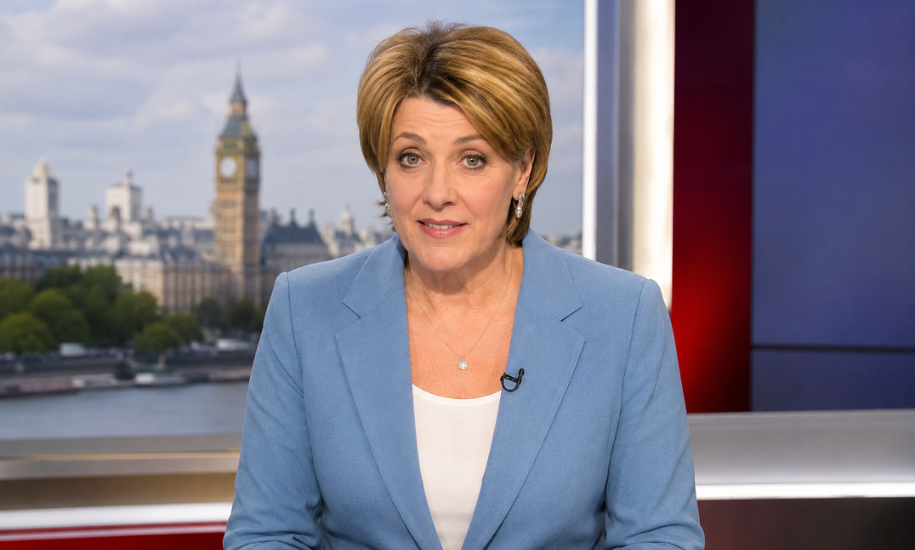
Fiona Armstrong is one of the most recognised faces in British television journalism. Known for her calm presentation style, professional reporting, and long broadcasting career, she became a familiar figure on ITN, BBC News, GMTV, and regional television. Over the years, audiences have remained curious about her personal life, journalism achievements, and family background, leading to frequent searches such as “who is Fiona Armstrong,” “Fiona Armstrong husband,” “Fiona Armstrong newsreader,” and “newsreader Fiona Armstrong.”
Apart from journalism, Fiona Armstrong also gained recognition for her documentaries on Scottish heritage, countryside programs, and fishing television shows. Her career reflects versatility, intelligence, and decades of dedication to broadcasting.
Quick Bio Table
| Detail | Information |
|---|---|
| Full Name | Fiona Armstrong, Lady MacGregor |
| Date of Birth | 28 November 1956 |
| Birthplace | Preston, Lancashire, England |
| Nationality | British |
| Profession | Journalist, Newsreader, Broadcaster, Author |
| Famous For | ITN, BBC News, GMTV |
| Education | University College London |
| First Husband | Rodney Potts |
| Current Husband | Sir Malcolm MacGregor |
| Children | One daughter, Natasha |
| Known As | Newsreader Fiona Armstrong |
| Current Role | Lord-Lieutenant of Dumfries |
Who is Fiona Armstrong?
Fiona Armstrong is a British journalist, television presenter, and former newsreader best known for presenting major news bulletins across British television networks. She built her reputation during the 1980s and 1990s as one of the UK’s respected television journalists.
Her broadcasting career covered several areas including:
- National television news
- Breakfast television
- Documentary filmmaking
- Scottish heritage programs
- Countryside broadcasting
- Fishing television shows
Unlike many broadcasters who remain limited to one television format, Armstrong successfully transitioned between serious journalism and lifestyle programming while maintaining credibility and audience trust.
Early Life and Education
Fiona Armstrong was born on 28 November 1956 in Preston, Lancashire, England. During part of her childhood, she lived in Nigeria because of her father’s work overseas. Living abroad exposed her to different cultures and experiences from an early age.
She later studied German Literature at University College London. During her university years, she became actively involved in journalism and editing. Armstrong served as editor of the student newspaper “London Student,” where she developed skills in reporting, writing, and media leadership.
Her academic background and passion for communication helped prepare her for a successful television career.
Beginning of Her Broadcasting Career
Fiona Armstrong began her career in local radio and regional broadcasting. She first worked with BBC local radio and BBC Manchester, where she gained important experience in journalism and live reporting.
Her ability to present clearly and confidently soon earned her opportunities in television. She later joined Border Television as a reporter and presenter, which became an important stepping stone in her media career.
Working in regional television allowed Armstrong to improve her interviewing techniques, newsroom knowledge, and presentation skills before moving into national broadcasting.
Fiona Armstrong Newsreader Career
The term “Fiona Armstrong newsreader” became widely recognized after she joined ITN in 1987. ITN was one of Britain’s leading television news organizations, and Armstrong quickly became a familiar face on national television.
As a newsreader, she presented important bulletins and covered major national and international stories. Her professional style and composed delivery earned respect from both viewers and colleagues.
During her years in television news, she reported on:
- British politics
- International affairs
- Social developments
- Breaking news events
- Cultural stories
Her work at ITN helped establish her reputation as a trusted British broadcaster.
GMTV and BBC News Success
In the early 1990s, Fiona Armstrong joined GMTV, the UK’s breakfast television service. Breakfast broadcasting required a more relaxed and conversational approach compared to traditional evening news programs.
Armstrong adapted successfully by balancing warmth with journalistic professionalism. Her experience and confidence helped make her a valuable member of the GMTV team.
She later worked for BBC World News and the BBC News Channel, continuing her successful role as a presenter and journalist.
For many viewers, the phrase “newsreader Fiona Armstrong” became strongly associated with professionalism and reliability in British broadcasting.
Fiona Armstrong Husband and Family Life
Many people searching online want to know about “Fiona Armstrong husband” and her personal relationships.
Fiona Armstrong was first married to Rodney Potts. The couple had a daughter named Natasha together. Although Armstrong generally kept her private life away from media attention, her first marriage remains an important part of her family background.
Later, in 2005, she married Sir Malcolm MacGregor, the hereditary chief of Clan Gregor, one of Scotland’s historic Highland clans. Following her marriage, she became known as Lady MacGregor.
Her marriage to Sir Malcolm MacGregor increased her involvement in Scottish culture, heritage, and clan history, subjects that later became central themes in many of her documentaries and television projects.
Passion for Scottish Heritage
One of the most interesting chapters of Fiona Armstrong’s career is her work related to Scottish history and traditions.
She produced and presented numerous documentaries exploring:
- Scottish clan history
- Highland traditions
- Border Reivers
- Scottish identity
- Rural community life
These programs attracted viewers interested in history, culture, and heritage storytelling.
Her deep connection to Scotland through marriage also helped strengthen her role as a cultural ambassador and television presenter focused on preserving traditional stories and customs.
Fishing and Countryside Television
Beyond news broadcasting, Fiona Armstrong became known for her involvement in fishing and countryside television programs. She hosted angling and outdoor lifestyle shows, becoming one of Britain’s best-known female fishing presenters.
Programs such as “Fiona on Fishing” introduced audiences to:
- Scenic fishing locations
- Outdoor activities
- Nature and wildlife
- Rural traditions
- Countryside travel
This unique transition from television journalism to outdoor broadcasting helped make Armstrong’s career stand out from many other news presenters.
Her passion for fishing and countryside life added another dimension to her public image.
BBC Interview Controversy
During her long career, Fiona Armstrong also experienced moments of controversy. One widely discussed incident occurred in 2011 during BBC coverage of the England riots.
While interviewing activist Darcus Howe, Armstrong incorrectly suggested he had participated in the riots. The interview generated criticism, and the BBC later issued an apology over the misunderstanding.
Although the incident received media attention, it represented only a small part of Armstrong’s otherwise respected broadcasting career.
Awards and Public Recognition
Fiona Armstrong’s contribution to journalism and public service has been recognized through several honors and public appointments.
Her achievements include:
- Broadcasting recognition
- Honorary university distinctions
- Public service appointments
- Cultural representation roles
In 2016, she was appointed Lord-Lieutenant of Dumfries. In this role, she represents the British monarch during official ceremonies, civic functions, and regional events.
Her duties include:
- Supporting charitable organizations
- Attending official ceremonies
- Welcoming royal visits
- Representing community interests
This prestigious role reflects the respect she earned throughout her broadcasting and public service career.
Fiona Armstrong’s Lasting Legacy
Fiona Armstrong remains an important figure in British television history. Her ability to succeed in multiple broadcasting areas — from hard news journalism to heritage documentaries and countryside programming — demonstrates her versatility and professionalism.
For many viewers, she will always be remembered as a respected television newsreader who delivered important stories with confidence and authority. Others admire her dedication to Scottish culture and rural broadcasting.
Her career continues to inspire journalists and broadcasters who value credibility, adaptability, and long-term success in media.
Readers interested in journalism, television personalities, and broadcaster biographies can discover more informative articles on the English blog site “Digi Journals.”
You May Also Read:Matt Barbet: The Journey of a Respected British Broadcaster
