
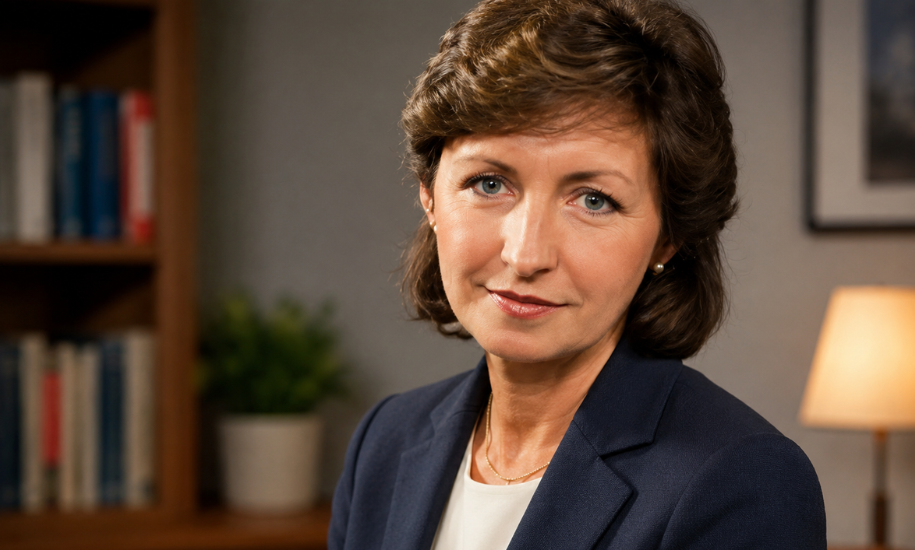
British broadcasting has produced many respected journalists over the years, but few have earned the level of admiration and trust associated with Sue Lawley. With a calm presence, intelligent interviewing style, and decades of experience at the BBC, she became one of the most recognizable media personalities in the United Kingdom. From delivering national news to hosting thoughtful conversations on Desert Island Discs, her career reflected professionalism and credibility at every stage.
Even years after stepping away from regular broadcasting, audiences continue to revisit her interviews, television appearances, and radio work. Her legacy remains closely connected to a golden era of British journalism that valued substance, thoughtful discussion, and authentic storytelling.
Quick Bio
| Full Name | Sue Lawley |
|---|---|
| Birth Date | July 14, 1946 |
| Birthplace | Sedgley, Staffordshire, England |
| Nationality | British |
| Profession | Journalist and Broadcaster |
| Education | University of Bristol |
| Famous For | BBC News and Desert Island Discs |
| Years Active | 1970s–2000s |
| Marital Status | Married |
| Children | One son and one daughter |
| Estimated Height | Around 5 ft 7 in |
Early Life and Education
Sue Lawley was born in Staffordshire, England, and developed an interest in language and communication at an early age. She later attended the University of Bristol, where she studied modern languages. Her educational background helped shape the articulate and confident speaking style that later became one of her trademarks on television and radio.
Before becoming nationally known, she worked in regional journalism and local media roles. Like many broadcasters of her generation, she built her career gradually through reporting, editing, and presenting smaller news segments before moving into larger broadcasting opportunities.
Her early years in journalism gave her practical experience and prepared her for the demanding environment of national television.
Building a Career at the BBC
Sue Lawley’s rise within the BBC came during a period when television newsrooms were still heavily male-dominated. Despite the challenges, she quickly established herself as a talented and dependable presenter.
Viewers appreciated her composed delivery and natural authority on screen. Rather than relying on dramatic presentation, she focused on clarity, professionalism, and careful communication. These qualities helped her become one of the BBC’s most trusted broadcasters.
Over the years, she appeared on several major programs, including national news bulletins and current affairs shows. Her ability to handle serious topics with confidence made her particularly respected among audiences and colleagues alike.
By the 1980s, she had become a familiar face in households across Britain.
A Defining Role on Desert Island Discs
Although Sue Lawley enjoyed a successful television career, many people remember her most fondly for her work on Desert Island Discs. When she became the host of the long-running BBC Radio 4 program in 1988, she brought a thoughtful and personal approach that suited the format perfectly.
The show invites guests to imagine being stranded on a desert island while selecting the music, books, and personal items they would take with them. Under Lawley’s guidance, the conversations became deeply reflective and emotionally engaging.
She interviewed a wide range of public figures, including actors, politicians, musicians, writers, and scientists. Her interview style stood out because it was warm without being intrusive and intelligent without feeling overly formal.
Listeners often praised her ability to make guests feel comfortable enough to share honest stories about their lives, careers, and personal struggles.
Her years on the program are still considered by many fans to be among the strongest in the show’s history.
Sue Lawley During the 1990s
The 1990s represented one of the most successful periods of Sue Lawley’s career. By this stage, she was already firmly established as a respected broadcaster and interviewer.
In 1995 especially, she was at the height of her influence. Her work on radio and television reflected the BBC style of the era: measured, intelligent, and focused on meaningful conversation rather than sensationalism.
Photographs and archived interviews from the mid-1990s continue to attract attention online, partly because they capture a period when British broadcasting had a very different atmosphere from modern television.
Lawley’s professionalism during this period helped reinforce her reputation as one of the most admired presenters in the country.
Personal Life and Family
Despite spending much of her career in the public eye, Sue Lawley remained relatively private when it came to family matters. She preferred to keep her personal life separate from her professional work, something that was less common in later generations of media personalities.
It is publicly known that she has one son and one daughter, though she rarely discussed her children in interviews. This decision allowed her family to remain outside the spotlight while she focused on her broadcasting career.
She later married television producer Hugh Williams, and together they maintained a quiet life away from celebrity culture.
Many admirers respect her for handling fame with dignity and restraint rather than turning her private life into public entertainment.
Public Image and Style
Part of Sue Lawley’s lasting appeal came from her calm and elegant public image. She represented a broadcasting tradition that emphasized intelligence and credibility over dramatic presentation.
Her appearance and confident screen presence often attracted attention, and many viewers admired her polished style during her television years. While discussions about celebrities today frequently focus on social media presence or fashion trends, Lawley became respected primarily because of her communication skills and journalistic integrity.
She carried herself with professionalism throughout her career, helping to set standards for future generations of presenters.
Life Away From Broadcasting
After stepping away from regular broadcasting, Sue Lawley chose a quieter lifestyle. Unlike many public figures who remain constantly visible through interviews or online platforms, she largely disappeared from daily media coverage.
Even so, her work continues to be rediscovered by audiences through BBC archives, classic radio recordings, and online clips. Interest in her career remains strong among those who appreciate traditional broadcasting and long-form interviews.
In recent years, nostalgia for classic BBC programming has also introduced her work to younger audiences who may not have seen her original broadcasts when they first aired.
Her influence remains visible in the many interviewers and presenters who value thoughtful conversation over fast-paced sensationalism.
An Important Legacy in British Media
Sue Lawley’s contribution to British journalism goes beyond the programs she presented. She became part of a generation of broadcasters who helped shape public trust in television and radio news.
Her success also carried broader importance for women in broadcasting. At a time when senior presenting roles were still dominated by men, she demonstrated that intelligence, composure, and professionalism could redefine expectations in the industry.
Many broadcasters who followed have spoken about the importance of presenters like Sue Lawley in opening doors for future female journalists.
Her legacy is not built on controversy or celebrity culture, but on consistency, quality journalism, and genuine conversation. That is why her work continues to be remembered with respect decades later.
Readers interested in classic British television, influential journalists, and media history can discover more stories like this on Digi Journals.
You May Also Read:Dominic Waghorn Biography: Career, Family, and Sky News Journey
